Competition-Safe Natural Muscle Care: What Drug-Tested Athletes Need to Know
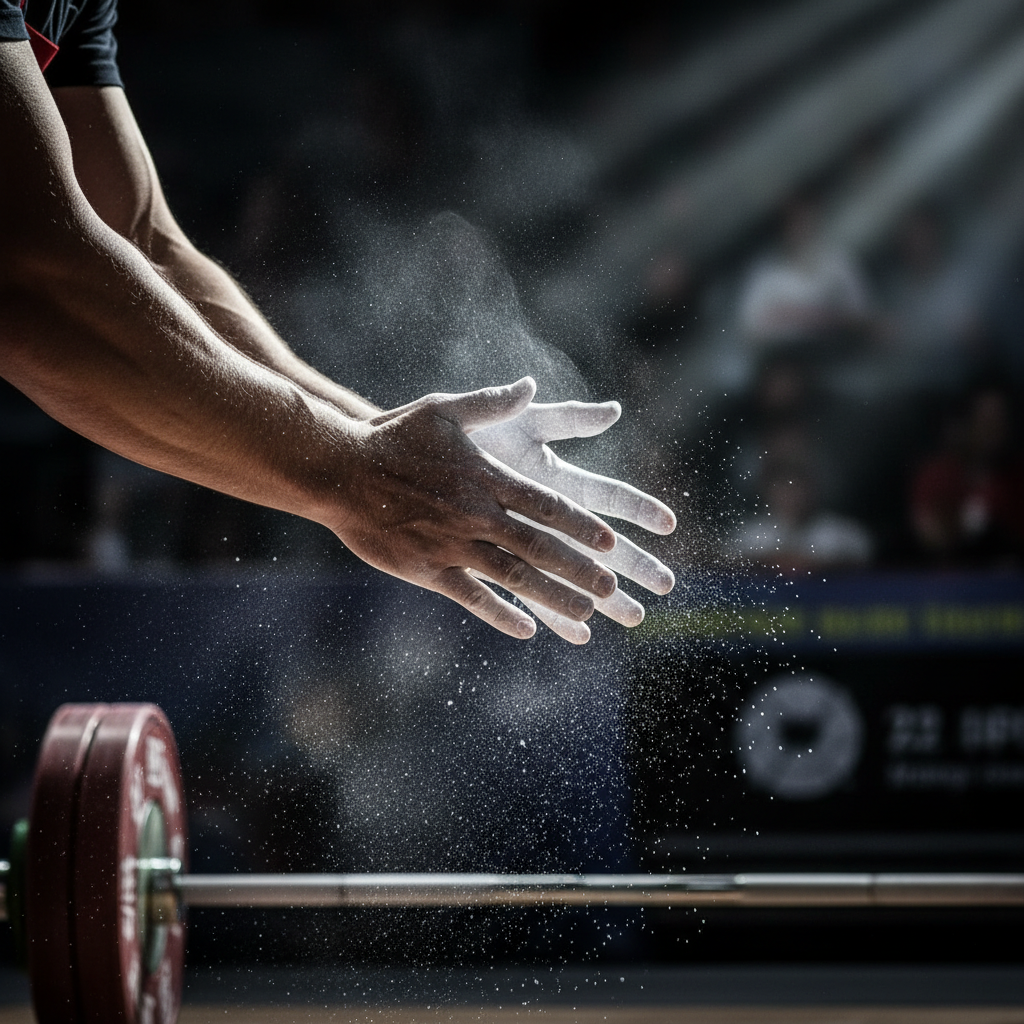
If your livelihood or athletic dreams depend on passing drug tests, every substance you put in or on your body matters. One contaminated product can end a career.
The rise of CBD and cannabis-derived products in sports recovery has created a minefield for tested athletes. Products marketed as "THC-free" have repeatedly tested positive for prohibited compounds. Governing bodies have issued warnings. Careers have been derailed.
But here's what often gets lost in these conversations: effective natural recovery support exists that carries zero drug testing risk. You don't have to choose between natural muscle care and a clean test.
The Current Landscape of Drug Testing
Most major sporting bodies follow WADA (World Anti-Doping Agency) guidelines, which prohibit:
- THC and cannabis compounds above threshold
- Synthetic cannabinoids
- Many stimulants and masking agents
- Anabolic agents and hormones
- Various other performance-enhancing substances
Notably, WADA does not prohibit:
- Omega-3, omega-6, or omega-9 fatty acids
- GLA (gamma-linolenic acid)
- Vitamin E
- Terpenes (in their natural form)
- Plant sterols
- Standard herbal extracts without prohibited compounds
This distinction matters. The beneficial compounds in hemp—beyond cannabinoids—are completely permissible.
The CBD Risk: Why Athletes Are Concerned
CBD itself is not prohibited by WADA (as of 2018). However:
Contamination is common. Third-party testing repeatedly finds THC levels exceeding legal limits in products marketed as "THC-free" or "broad spectrum."
Labels aren't reliable. Studies have found that a significant percentage of CBD products contain different amounts of cannabinoids than claimed on the label.
Metabolism is unpredictable. Even low THC levels can, in some individuals, lead to metabolite levels that trigger positive tests.
Responsibility falls on the athlete. Under strict liability principles, athletes are responsible for any substance found in their system—regardless of how it got there.
For professional and competitive athletes, the calculus is simple: why risk it?
The Alternative: Hemp Nutrition Without Cannabinoids
Here's what most people don't realise: the hemp plant contains far more than cannabinoids.
The seed and traditional whole-plant preparations are rich in:
- Essential fatty acids (omega-3, omega-6, omega-9)
- GLA (gamma-linolenic acid, a potent anti-inflammatory)
- Vitamin E (antioxidant protection)
- Terpenes (aromatic compounds with therapeutic properties)
- Phytosterols (plant compounds supporting cellular health)
- Chlorophyll (traditional detoxifying and anti-inflammatory uses)
- Amino acids (plant protein building blocks)
These compounds have been part of human use of hemp for thousands of years—long before anyone isolated CBD.
And critically: none of these are prohibited under any drug testing protocol.
Ancient Hemp vs. Modern High-CBD Cultivars
Modern hemp farming has focused on maximising CBD content. Through selective breeding, contemporary hemp varieties contain dramatically elevated cannabinoid levels compared to traditional strains.
Ancient and heritage hemp varieties have a different profile:
- Lower cannabinoid content (trace or undetectable)
- Preserved balance of traditional nutrients
- Fatty acid ratios closer to what traditional preparations would have provided
Products made from these heritage varieties deliver hemp's nutritional benefits without the cannabinoid content that creates drug testing risk.
What to Look For (And What to Avoid)
Green Flags:
- Products explicitly made from low-cannabinoid or ancient hemp varieties
- Third-party testing showing cannabinoid content below detection limits
- Focus on fatty acid content rather than CBD/cannabinoid claims
- Transparent sourcing information
- No claims about "CBD" or "cannabinoid" content
Red Flags:
- Any CBD or cannabinoid claims on the label
- "THC-free" claims (implies THC was present and removed—removal is imperfect)
- "Broad spectrum" or "full spectrum" hemp extract terminology
- Lack of third-party testing
- Marketing focused on cannabis/marijuana associations
Topical Products and Drug Testing
An additional consideration: topical products don't enter systemic circulation in significant amounts.
When you apply a fatty acid-rich botanical oil to your skin:
- Compounds absorb into local tissue
- They don't pass through the liver or enter the bloodstream meaningfully
- There's no mechanism for them to trigger a positive urine or blood test
This provides an additional margin of safety. Even if a topical product contained trace cannabinoids (which properly formulated products from ancient hemp varieties won't), systemic exposure would be negligible.
For comparison, many athletes freely use topical menthol, camphor, and other compounds that would cause issues if injected or ingested. Topical does not equal systemic.
Building a Competition-Safe Recovery Protocol
Here's what a drug-tested athlete can confidently use:
Topical botanical oils (from low/no cannabinoid hemp):
- Rich in omega fatty acids for muscle and joint support
- Contains GLA for natural anti-inflammatory support
- Provides vitamin E antioxidant protection
- Includes beneficial terpenes
- Zero drug testing risk
Oral omega-3 supplementation:
- Fish oil, algae oil, or plant-based omega sources
- Supports systemic anti-inflammatory status
- No prohibited compounds
Standard recovery practices:
- Sleep optimisation
- Hydration
- Nutrition timing
- Appropriate training periodisation
Safe natural modalities:
- Massage
- Contrast therapy (hot/cold)
- Compression
- Movement and mobility work
The Bottom Line
Drug-tested athletes don't have to choose between natural recovery support and career safety.
The hemp plant offers substantial benefits through its fatty acid profile, antioxidants, and other non-cannabinoid compounds. Products made from ancient hemp varieties with verified low-cannabinoid content deliver these benefits without the risks that have plagued the CBD industry.
You can support your muscles, joints, and recovery naturally. You can use plant-based products confidently. You just need to choose wisely.
Your body deserves quality recovery support. Your career deserves the peace of mind that comes from knowing exactly what you're using.
Magic Oil is made from ancient, non-GMO hemp varieties with naturally trace cannabinoid levels—delivering omega nutrition and botanical support with zero drug testing concerns. Shop confidently or learn more.
References
- World Anti-Doping Agency. (2023). Prohibited List. Retrieved from wada-ama.org
- Lachenmeier, D.W., et al. (2019). Is there a risk of failing doping tests due to CBD products? International Journal of Sport Nutrition and Exercise Metabolism, 29(5), 538-543.
- Bonn-Miller, M.O., et al. (2017). Labeling accuracy of cannabidiol extracts sold online. JAMA, 318(17), 1708-1709.
- Callaway, J.C. (2004). Hempseed as a nutritional resource: An overview. Euphytica, 140(1), 65-72.
- Vonapartis, E., et al. (2015). Seed composition of ten industrial hemp cultivars approved for production in Canada. Journal of Food Composition and Analysis, 39, 8-12.
- Leonard, W., et al. (2020). Hempseed in food industry: Nutritional value, health benefits, and industrial applications. Comprehensive Reviews in Food Science and Food Safety, 19(1), 282-308.
- Prausnitz, M.R., & Langer, R. (2008). Transdermal drug delivery. Nature Biotechnology, 26(11), 1261-1268.