Hemp Seed Oil vs. CBD vs. Full-Plant Extracts: What's the Difference?
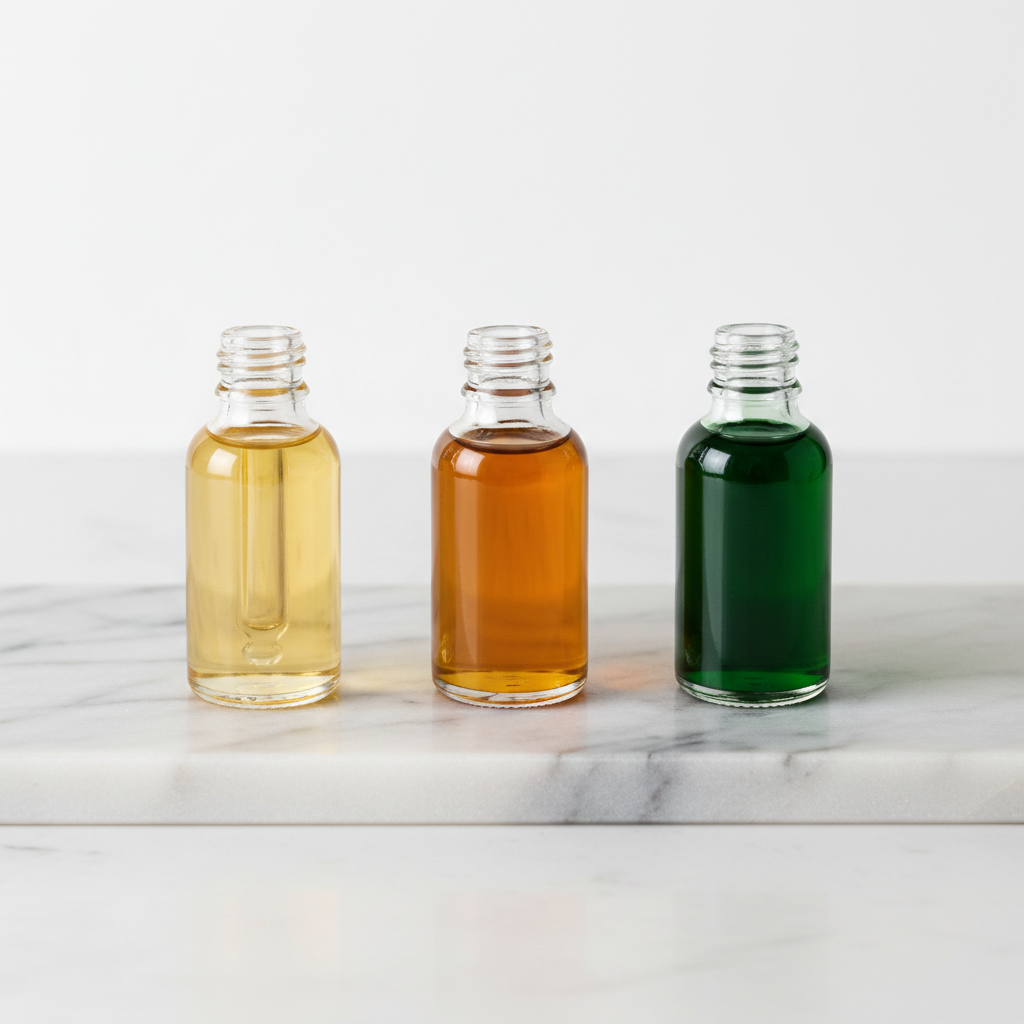
Walk into any wellness store and you'll find products labeled "hemp oil," "CBD oil," "hemp extract," and "full-spectrum hemp." These terms are used loosely—sometimes interchangeably—creating genuine confusion.
They're not the same thing. Understanding the differences helps you choose products that match your actual goals.
Hemp Seed Oil: The Nutritional Oil
What it is: Oil cold-pressed from hemp seeds (the achenes of the Cannabis sativa plant).
What it contains:
- Omega-3 fatty acids (alpha-linolenic acid, ~15-20%)
- Omega-6 fatty acids (linoleic acid, ~50-60%)
- GLA (gamma-linolenic acid, ~3-4%)
- Omega-9 fatty acids (oleic acid, ~10-15%)
- Vitamin E (tocopherols)
- Phytosterols
- Trace terpenes
What it doesn't contain:
- Significant cannabinoids (CBD, THC, etc.)—seeds contain negligible cannabinoid content
How it's made: Cold-pressing seeds, similar to olive oil or flaxseed oil production.
What it's for:
- Nutritional supplementation
- Skin nourishment
- Cooking (low-heat only)
- Topical muscle and joint support
- Balancing omega fatty acid intake
Cost: Generally affordable—comparable to other quality culinary oils.
Regulation: Sold as food/cosmetic ingredient, minimal regulatory hurdles.
CBD Oil: The Cannabinoid Extract
What it is: An extract from hemp flowers, leaves, and stems, specifically processed to concentrate cannabidiol (CBD).
What it contains:
- CBD (cannabidiol) at specified concentrations
- Possibly other cannabinoids depending on type (see below)
- Variable terpene content
- Carrier oil (often MCT, olive, or hemp seed oil)
Types of CBD oil:
- Isolate: Pure CBD, no other cannabinoids
- Broad-spectrum: Multiple cannabinoids except THC
- Full-spectrum CBD: All cannabinoids including trace THC (below 0.3%)
What it doesn't contain:
- Significant nutritional fatty acids (unless hemp seed oil is the carrier)
- The omega profile that characterizes hemp seed oil
How it's made: Various extraction methods (CO2 extraction, ethanol extraction, etc.) followed by processing to concentrate CBD.
What it's for:
- Cannabinoid supplementation
- Wellness applications attributed to CBD
- Often used for stress, sleep, discomfort support
Cost: Significantly more expensive than hemp seed oil—extraction and processing add cost.
Regulation: Complex regulatory status; restricted advertising; varying legality by jurisdiction; drug testing concerns.
Full-Plant Hemp Extract: The Comprehensive Approach
What it is: Extraction that aims to preserve the complete range of hemp plant compounds, not just cannabinoids.
What it contains (ideally):
- Full fatty acid profile (if seeds are included)
- Cannabinoids (in amounts natural to the variety used)
- Complete terpene profile
- Flavonoids
- Phytosterols
- Vitamins and minerals from the plant
The challenge:
"Full-spectrum" and "whole-plant" are marketing terms without strict definitions. Some products are truly comprehensive; others use the terms loosely.
What to look for:
- Specification of what's actually included
- Fatty acid profile if seeds are part of the extract
- Cannabinoid testing (to know what you're getting)
- Terpene presence
What it's for:
- Those seeking the "entourage effect" of multiple plant compounds
- Comprehensive hemp nutrition rather than isolated benefits
Side-by-Side Comparison
| Characteristic | Hemp Seed Oil | CBD Oil | Full-Plant Extract |
|---|---|---|---|
| Primary source | Seeds | Flowers/leaves/stems | Varies |
| Cannabinoids | None/trace | High CBD | Varies by variety |
| Omega fatty acids | Rich | Minimal | Varies |
| GLA content | Yes (3-4%) | No | Depends on formulation |
| Vitamin E | High | Low | Depends on formulation |
| Terpenes | Trace | Variable | Should be present |
| Price | $ | $$$ | $-$$$ |
| Drug testing risk | None | Possible | Possible if cannabinoids present |
| Legal complexity | None | High | Depends on cannabinoid content |
Common Confusion Points
"Hemp Oil" on Labels
This term is genuinely ambiguous. It might mean:
- Hemp seed oil (nutritional)
- Hemp extract (cannabinoid-containing)
- Some combination
Always check ingredient lists and lab reports. If CBD content is specified, it's a cannabinoid product. If only fatty acids are mentioned, it's hemp seed oil.
"Full Spectrum"
In the CBD industry, "full spectrum" usually means "contains all cannabinoids including trace THC."
But botanically, "full spectrum" should mean all plant compounds—fatty acids, terpenes, vitamins, flavonoids, AND cannabinoids.
These are different meanings, and marketing often exploits the confusion.
Carrier Oil vs. Active Ingredient
Many CBD products use hemp seed oil as a carrier (the base oil that dilutes the CBD extract). This adds some nutritional value but doesn't make it equivalent to pure hemp seed oil.
Check whether hemp seed oil is the primary ingredient or just a minor carrier.
Choosing Based on Your Goals
If You Want Nutritional Fatty Acids
Choose hemp seed oil. Look for:
- Cold-pressed
- Omega-3, omega-6, GLA content specified
- Organic
- Appropriate for topical or dietary use depending on your goal
If You Want Cannabinoid Effects
Choose CBD oil. Look for:
- Third-party testing for cannabinoid content
- Type (isolate, broad-spectrum, full-spectrum) appropriate for your needs
- Reputable company with transparent practices
- Awareness of drug testing and legal considerations
If You Want Comprehensive Plant Benefits Without Cannabinoids
Choose hemp seed oil from heritage/ancient varieties. These provide:
- Full fatty acid profile
- Natural terpenes
- Vitamin E and phytosterols
- Negligible cannabinoid content
If You Want Both
Layer your approach:
- Hemp seed oil for fatty acids and topical use
- CBD oil (if desired) for cannabinoid effects
- OR find a truly comprehensive full-plant product (verify contents carefully)
The Heritage Hemp Distinction
Modern hemp has been bred for maximum CBD content. This breeding may have altered other characteristics.
Ancient and heritage hemp varieties—the ones humans used for millennia—have different profiles:
- Lower cannabinoid content
- Preserved fatty acid ratios
- Traditional terpene and nutrient profiles
For those seeking hemp's nutritional benefits without cannabinoid content or concerns, these heritage varieties offer an alternative that modern CBD-focused products don't provide.
The Bottom Line
These are different products for different purposes:
Hemp seed oil = Nutritional oil rich in fatty acids, for dietary and topical use
CBD oil = Cannabinoid extract for those seeking CBD's effects
Full-plant extracts = Variable, read carefully
The right choice depends on what you're trying to achieve. Don't assume equivalence based on the word "hemp" in the name.
Know what you're buying. Know why you're buying it. Read labels, check lab reports, and ask questions.
Magic Oil is pure hemp seed nutrition—omega fatty acids, GLA, and vitamin E from ancient hemp varieties. Not CBD, not cannabinoids—just the nutritional richness that made hemp valuable for 10,000 years.
References
- Callaway, J.C. (2004). Hempseed as a nutritional resource: An overview. Euphytica, 140(1), 65-72.
- Bonn-Miller, M.O., et al. (2017). Labeling accuracy of cannabidiol extracts sold online. JAMA, 318(17), 1708-1709.
- Pavlovic, R., et al. (2018). Quality traits of "cannabidiol oils": cannabinoids content, terpene fingerprint and oxidation stability. Molecules, 23(5), 1230.
- Leonard, W., et al. (2020). Hempseed in food industry: Nutritional value, health benefits, and industrial applications. Comprehensive Reviews in Food Science and Food Safety, 19(1), 282-308.
- Vonapartis, E., et al. (2015). Seed composition of ten industrial hemp cultivars approved for production in Canada. Journal of Food Composition and Analysis, 39, 8-12.
- Lachenmeier, D.W., et al. (2019). Is there a risk of failing doping tests due to CBD products? International Journal of Sport Nutrition and Exercise Metabolism, 29(5), 538-543.