Topical vs. Oral Supplements: What Actually Works for Athletes
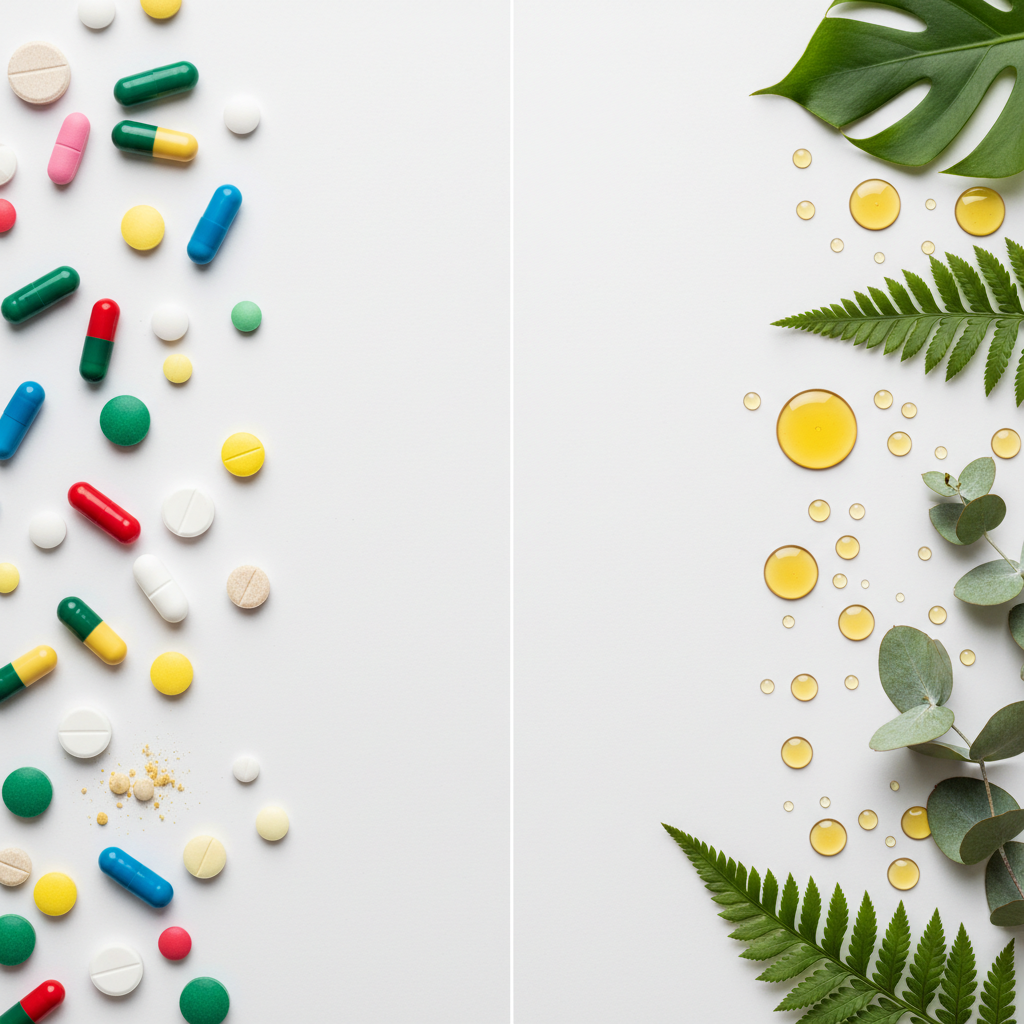
The supplement industry has trained athletes to think in terms of what they swallow: protein shakes, pre-workout powders, recovery capsules, vitamin tablets. The digestive system has become the default delivery route for everything.
But is it always the best route?
For certain nutrients and certain goals, topical application may actually be more effective. Understanding when to use each approach—and why—can significantly impact your recovery and performance.
How Oral Supplements Work (And Their Limitations)
When you swallow a supplement, it takes a journey:
- Stomach: Exposed to acid and digestive enzymes
- Small intestine: Absorbed through the gut lining (if it survives digestion)
- Portal vein: Transported to the liver
- First-pass metabolism: Processed by the liver before systemic circulation
- Bloodstream: Distributed throughout the entire body
- Target tissue: Eventually reaches where you want it—maybe
At each stage, you lose some of the active compound. This is called bioavailability—the percentage that actually reaches its target in active form.
For many supplements, bioavailability is shockingly low:
- Curcumin: ~1% without enhancement
- CoQ10: 2-3%
- Oral CBD: 6-20%
- Many vitamins: highly variable based on form and cofactors
Even nutrients with decent absorption get distributed system-wide. If you take fish oil for a sore knee, most of those omega-3s go everywhere except your knee.
How Topical Application Works
Topical application bypasses the digestive system entirely:
- Skin contact: Compound applied directly to target area
- Stratum corneum: Outer skin layer—a selective barrier
- Epidermis and dermis: Lipid-soluble compounds pass through
- Local tissue: Direct delivery to muscle, joint, or connective tissue
The skin isn't impermeable. It's a sophisticated membrane that selectively absorbs lipid-soluble compounds—exactly what fatty acids, terpenes, and many botanical extracts are.
Key advantages:
- No first-pass metabolism: Compounds aren't processed by the liver
- Targeted delivery: High concentration exactly where applied
- No GI side effects: Bypasses the digestive system entirely
- Immediate local effect: No waiting for systemic distribution
What Should Be Oral vs. Topical?
Not everything works topically, and not everything needs to be oral. Here's a framework:
Best Taken Orally
| Nutrient | Reason |
|---|---|
| Protein/Amino acids | Need systemic distribution for muscle protein synthesis |
| Creatine | Stored in muscle tissue throughout the body |
| Vitamin D | Fat-soluble vitamin needing whole-body distribution |
| B vitamins | Water-soluble, widespread metabolic functions |
| Iron | Systemic oxygen-carrying capacity |
Effective Topically
| Nutrient/Compound | Reason |
|---|---|
| Omega fatty acids | Lipid-soluble, local tissue repair |
| Vitamin E | Lipid-soluble antioxidant, skin/tissue protection |
| Terpenes | Lipid-soluble, local anti-inflammatory effects |
| Menthol/Camphor | Sensory nerve effects, cooling/warming |
| Arnica | Traditional use for bruising/trauma |
The Case for Topical Omega Fatty Acids
For athletes dealing with localised issues—a sore shoulder, a tight hamstring, chronic knee discomfort—topical delivery offers specific advantages:
1. Concentration at the site
Oral supplementation distributes fatty acids throughout your entire body. Topical application concentrates them exactly where damage occurred.
2. Supporting local membrane repair
Damaged muscle fibres need fatty acids to rebuild cell membranes. Topical delivery provides building blocks directly to the repair site.
3. Complementing (not replacing) diet
Topical application works alongside dietary omega intake. You're not choosing one or the other—you're using the right tool for each job.
4. Avoiding GI load
Some athletes experience digestive discomfort with high-dose fish oil. Topical fatty acids bypass this entirely.
What Makes a Topical Product Effective?
Not all topical products are created equal. For effective absorption:
Lipid solubility matters. Water-based products sit on the skin. Oil-based products penetrate.
Carrier quality matters. The base oil affects absorption. Hemp seed oil is naturally well-suited for skin absorption due to its fatty acid profile.
Whole-plant extracts outperform isolates. The combination of fatty acids, terpenes, and antioxidants works synergistically.
Application technique matters. Gentle massage increases absorption and blood flow. Warm skin absorbs better than cold.
Practical Protocol: Combining Both Routes
Smart athletes use both approaches strategically:
Oral (daily foundation):
- Balanced omega-3 intake from diet and/or supplementation
- Adequate protein for systemic muscle repair
- General micronutrient coverage
Topical (targeted intervention):
- Post-workout application to muscles worked
- Focus on problem areas (chronic issues, acute soreness)
- Pre-bed application for overnight recovery support
Timing example:
- Morning: Oral omega-3 with breakfast
- Post-workout: Topical fatty acid oil to worked muscles
- Evening: Topical application to any lingering sore spots
- Result: Systemic + targeted coverage
The Synergy Effect
The most effective approach isn't oral OR topical—it's both, used intelligently.
Oral supplementation builds your baseline fatty acid profile over weeks and months. Topical application provides immediate, targeted support during acute recovery periods.
Think of oral as the foundation, topical as the precision tool.
Your body doesn't care how nutrients arrive—only that they're available when and where needed. The athlete who understands multiple delivery routes has more tools in their recovery arsenal.
Get targeted omega delivery exactly where you need it. Try Magic Oil—or learn how it works.
References
- Paudel, K.S., et al. (2010). Challenges and opportunities in dermal/transdermal delivery. Therapeutic Delivery, 1(1), 109-131.
- Prausnitz, M.R., & Langer, R. (2008). Transdermal drug delivery. Nature Biotechnology, 26(11), 1261-1268.
- Herkenne, C., et al. (2008). Effect of the vehicle on the skin absorption of terpenes. European Journal of Pharmaceutics and Biopharmaceutics, 70(1), 301-306.
- Millar, I.D., et al. (2010). Bioavailability of oral versus topical formulations. Sports Medicine, 40(6), 493-507.
- Calder, P.C. (2015). Marine omega-3 fatty acids and inflammatory processes. Biochimica et Biophysica Acta, 1851(4), 469-484.
- Anand, P., et al. (2007). Bioavailability of curcumin: Problems and promises. Molecular Pharmaceutics, 4(6), 807-818.