The Optimal 3:1 Omega Ratio: Why Balance Matters More Than Quantity
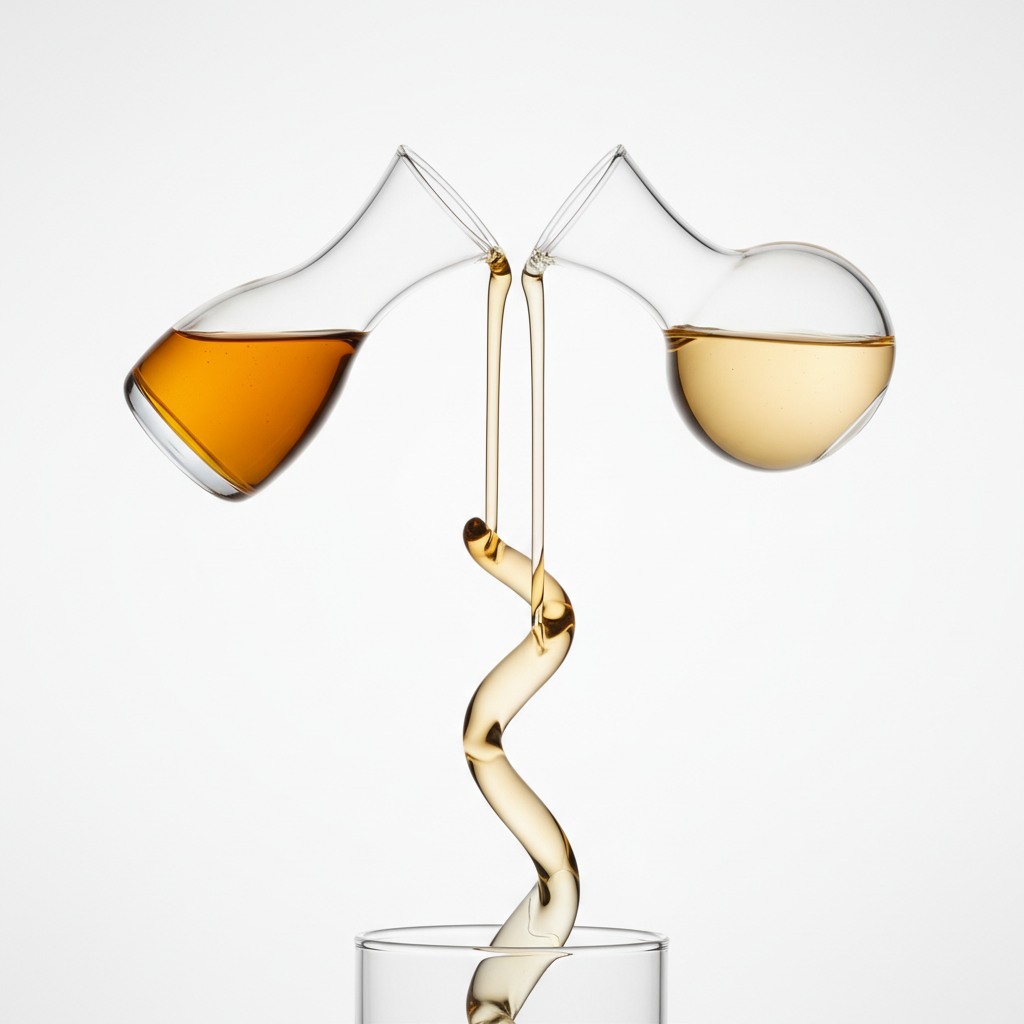
The nutrition industry loves big numbers. More protein. Higher vitamin C. Mega-dose omega-3s.
But when it comes to essential fatty acids, more isn't the answer. The ratio is.
Understanding this changes everything about how you approach fatty acid nutrition—and why most people's diets are working against them.
The Omega Basics
Essential fatty acids come in two main families:
Omega-6 Fatty Acids
- Primary form: Linoleic acid (LA)
- Found in: Vegetable oils, seeds, nuts, processed foods
- Function: Cell membrane structure, inflammatory signalling
Omega-3 Fatty Acids
- Primary form: Alpha-linolenic acid (ALA)
- Found in: Fatty fish, flaxseed, chia, hemp, walnuts
- Function: Anti-inflammatory signalling, brain health, cardiovascular support
Both are "essential"—your body cannot manufacture them. You must get them from food.
Why Ratio Matters
Here's what most people miss: omega-6 and omega-3 fatty acids compete for the same enzymes.
The same enzymes that convert ALA (omega-3) to beneficial EPA and DHA also convert LA (omega-6) to arachidonic acid. When omega-6 is abundant, it dominates these enzyme pathways, reducing omega-3 conversion.
The result: even if you consume omega-3s, an imbalanced ratio reduces their effectiveness.
The Ancestral Baseline
Anthropological research suggests our ancestors consumed omega-6 and omega-3 in roughly equal proportions—between 1:1 and 4:1.
This balance shaped human evolution. Our inflammatory systems, neurological function, and cellular processes developed expecting this ratio.
The Modern Disaster
Then came industrial food production.
The widespread use of vegetable oils (corn, soybean, sunflower, safflower) dramatically shifted the typical Western diet toward omega-6. These oils are cheap, stable, and omnipresent in processed foods.
| Population | Omega-6:Omega-3 Ratio |
|---|---|
| Ancestral humans | 1:1 to 4:1 |
| Current Western diet | 15:1 to 20:1 |
| Some individuals | Up to 25:1 |
This represents a 5-25 fold deviation from our evolutionary baseline.
The Health Consequences
Research has linked excessive omega-6 to omega-3 ratios with:
- Chronic inflammation: The body produces more pro-inflammatory compounds
- Cardiovascular disease: Increased inflammatory markers and vascular dysfunction
- Metabolic syndrome: Association with obesity, diabetes, and related conditions
- Autoimmune conditions: Overactive inflammatory responses
- Mental health: Depression and anxiety linked to omega imbalance
- Impaired recovery: Prolonged inflammation after exercise or injury
This isn't about omega-6 being "bad." Both families are essential. The problem is imbalance.
The 3:1 Solution
Research consistently points to an optimal ratio of approximately 3:1 (omega-6 to omega-3) for most health outcomes.
At this ratio:
- Inflammatory processes remain functional but regulated
- Both fatty acid families have adequate enzyme access
- Cell membranes maintain proper composition
- Recovery from stress and injury proceeds efficiently
Some researchers suggest even lower ratios (2:1 or 1:1) for specific therapeutic purposes, but 3:1 represents a well-supported general target.
Why Hemp Seed Oil Stands Out
Most plant oils are heavily skewed toward omega-6:
| Oil | Omega-6:Omega-3 Ratio |
|---|---|
| Safflower oil | 133:1 |
| Corn oil | 46:1 |
| Sunflower oil | 40:1 |
| Olive oil | 13:1 |
| Soybean oil | 7:1 |
| Hemp seed oil | 3:1 (Optimal) |
| Flaxseed oil | 0.3:1 |
Hemp seed oil naturally provides the optimal ratio. Not through blending or fortification—this is how the plant evolved.
Additionally, hemp seed oil contains GLA (gamma-linolenic acid), an omega-6 that uniquely produces anti-inflammatory compounds rather than pro-inflammatory ones. This further improves the effective anti-inflammatory profile beyond what the ratio alone suggests.
Practical Application
Dietary Changes
- Reduce vegetable oil consumption (corn, soy, sunflower in processed foods)
- Increase omega-3 sources (fatty fish, flax, chia, walnuts, hemp)
- Choose cooking oils carefully (olive, coconut, avocado for cooking; hemp for finishing)
Supplementation
- If using omega-3 supplements, ensure adequate absorption (take with fats)
- Consider whole-food sources over isolated supplements
- For targeted recovery, topical omega-rich oils deliver fatty acids directly
Topical Use
- Omega fatty acids absorb through skin
- Apply to areas of concern (muscles, joints, irritated skin)
- Topical application provides local fatty acid support without affecting dietary ratios
The Takeaway
You don't need more omega-3 or less omega-6 in absolute terms. You need balance.
The 3:1 ratio represents what your body evolved expecting. Deviation from this baseline—particularly the extreme imbalance of modern diets—creates a foundational stress that affects everything from inflammation to recovery to mental health.
Hemp seed oil provides this ratio naturally. It's not a formulated product designed to hit a target—it's a whole food that happens to match what your body needs.
The answer isn't a supplement. It's returning to balance.
Magic Oil delivers the optimal 3:1 omega ratio naturally—no formulation required, just ancient hemp wisdom preserved.
Restore Balance with Magic OilReferences
- Simopoulos, A.P. (2002). The importance of the ratio of omega-6/omega-3 essential fatty acids. Biomedicine & Pharmacotherapy, 56(8), 365-379.
- Simopoulos, A.P. (2008). The omega-6/omega-3 fatty acid ratio, genetic variation, and cardiovascular disease. Asia Pacific Journal of Clinical Nutrition, 17(S1), 131-134.
- Lands, W.E. (2005). Dietary fat and health: the evidence and the politics of prevention. Annals of the New York Academy of Sciences, 1055(1), 179-192.
- Callaway, J.C. (2004). Hempseed as a nutritional resource: An overview. Euphytica, 140(1), 65-72.
- Simopoulos, A.P. (2016). An increase in the omega-6/omega-3 fatty acid ratio increases the risk for obesity. Nutrients, 8(3), 128.
- Schwab, U.S., et al. (2006). Effects of hempseed and flaxseed oils on the profile of serum lipids, serum total and lipoprotein lipid concentrations and haemostatic factors. European Journal of Nutrition, 45(8), 470-477.