Vitamin E: Your Skin's Antioxidant Shield
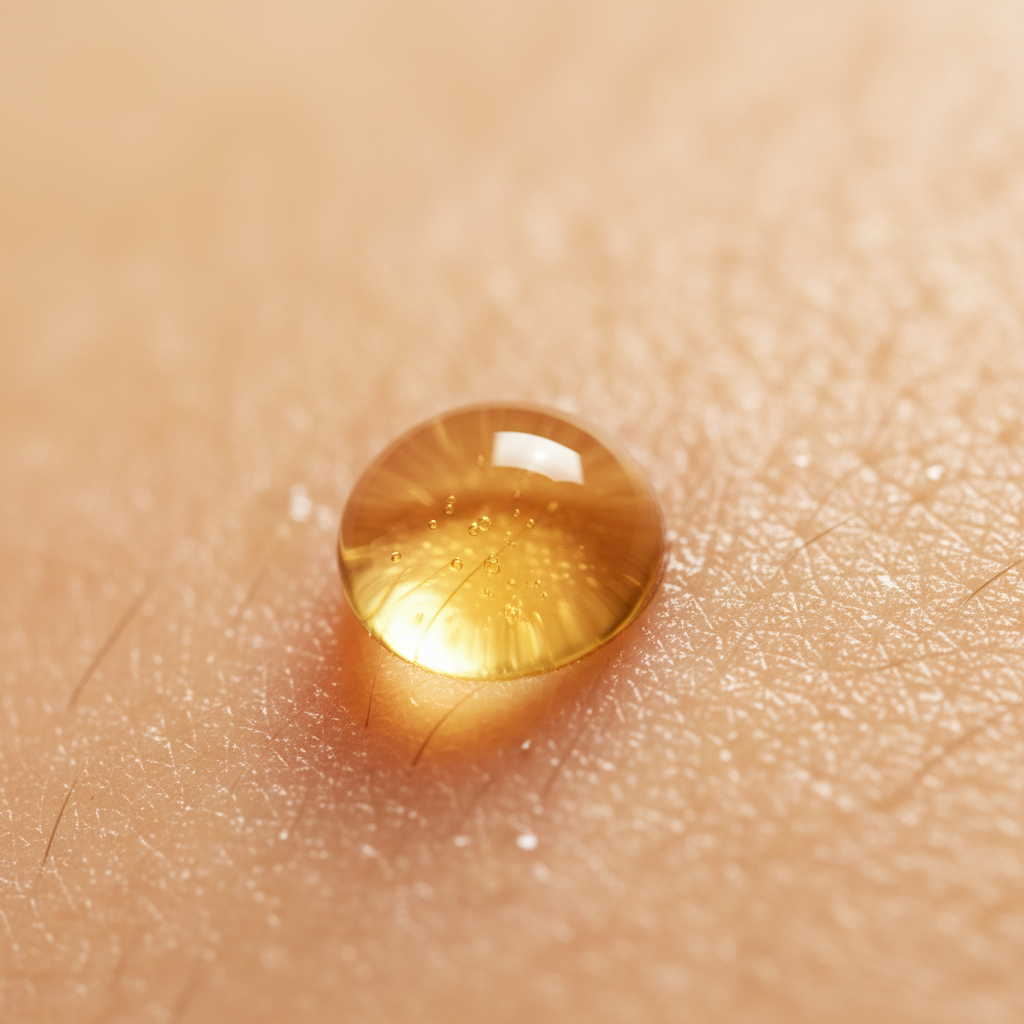
Every day, your skin fights invisible battles.
UV radiation, pollution, oxidative stress from metabolism - these generate free radicals that damage cells, accelerate ageing, and undermine skin health. Your body has a defence system against this assault.
Vitamin E is at the heart of it.
What Is Vitamin E?
Vitamin E isn't a single compound - it's a family of eight related molecules:
- Tocopherols: alpha, beta, gamma, and delta
- Tocotrienols: alpha, beta, gamma, and delta
Alpha-tocopherol is the most biologically active form and what most "vitamin E" supplements contain. But natural sources often contain multiple forms, which may work synergistically.
How Vitamin E Protects
Antioxidant Action
Vitamin E is fat-soluble, meaning it integrates into cell membranes - the lipid barriers surrounding every cell. There, it intercepts free radicals before they can damage membrane integrity.
The mechanism: Vitamin E donates an electron to neutralise free radicals, preventing the chain reaction of oxidative damage that would otherwise spread through the membrane.
Membrane Integrity
Beyond antioxidant activity, vitamin E helps maintain the structural integrity of cell membranes. Healthy membranes are essential for:
- Cellular communication
- Nutrient uptake
- Barrier function
- Flexibility and resilience
Inflammatory Modulation
Research suggests vitamin E influences inflammatory pathways, potentially helping to calm excessive inflammatory responses in skin tissue.
Why Skin Particularly Needs Vitamin E
Skin is your most exposed organ. It faces:
- UV radiation: Sunlight generates reactive oxygen species directly in skin cells.
- Environmental toxins: Pollution, smoke, and chemicals create oxidative stress.
- Metabolic byproducts: Normal cellular metabolism produces free radicals.
- Physical stress: Friction, temperature changes, and dehydration challenge skin integrity.
Skin is also rich in polyunsaturated fatty acids - the same fatty acids that vitamin E specifically protects. These PUFAs are essential for skin flexibility and barrier function, but they're vulnerable to oxidation. Vitamin E preserves them.
Topical vs. Oral Vitamin E
You can get vitamin E through diet (nuts, seeds, plant oils) and supplements. But for skin benefits, topical application offers specific advantages:
- Direct delivery: Vitamin E applied to skin integrates directly into the outer layers without requiring systemic distribution.
- Higher local concentration: Topical application achieves concentrations in skin that would be difficult through diet alone.
- Complementary to diet: Topical and oral vitamin E work through different routes and can be combined.
Research has shown that topical vitamin E can reduce UV-induced damage, support wound healing, improve skin hydration, and reduce inflammation.
Vitamin E in Hemp Seed Oil
Hemp seed oil is one of the richest natural sources of vitamin E, containing approximately 100-150mg per 100g (depending on variety and processing).
This isn't coincidental. Hemp seed oil is also extremely high in polyunsaturated fatty acids - around 75-80% of its fatty acid content. Nature packaged the antioxidant with the compounds it protects.
When you use a hemp-based topical product, you're getting:
- Fatty acids for membrane structure and repair
- Vitamin E to protect those fatty acids from oxidation
- A natural preservation system that keeps the oil stable
This synergy is lost when vitamin E is added artificially to other carrier oils. In hemp seed oil, it's present in natural ratios alongside its complementary compounds.
The Forms of Vitamin E in Hemp
Hemp seed oil contains primarily:
- Gamma-tocopherol: The predominant form, with potent antioxidant activity
- Alpha-tocopherol: The most bioactive form for human tissue
- Delta-tocopherol: Additional antioxidant capacity
- Tocotrienols: Related compounds with emerging research on unique benefits
This diversity of forms may offer broader protection than isolated alpha-tocopherol supplements.
Beyond Skin: Systemic Benefits
While this article focuses on skin, vitamin E's benefits extend throughout the body:
- Cardiovascular health: Protects LDL cholesterol from oxidation
- Immune function: Supports immune cell activity
- Brain health: Protects neural membranes rich in PUFAs
- Eye health: Concentrated in the retina
- Muscle recovery: Helps protect muscle cell membranes from exercise-induced oxidative stress
Athletes and active individuals have increased vitamin E requirements due to higher metabolic rates and oxidative stress from exertion.
How to Maximise Vitamin E Benefits
Through Diet
- Include nuts and seeds (almonds, sunflower seeds)
- Use quality plant oils (hemp, olive, wheat germ)
- Eat leafy greens
- Don't overcook foods (heat degrades vitamin E)
Through Topical Application
- Choose products with naturally occurring vitamin E (like hemp seed oil)
- Apply to clean, slightly damp skin for better absorption
- Use consistently - antioxidant protection is ongoing
- Focus on exposed areas (face, hands, arms)
What to Look For in Products
- "Tocopherol" or "tocopheryl" in ingredients indicates vitamin E
- Natural sources (hemp seed oil, wheat germ oil) provide vitamin E in context
- Avoid heavily processed oils that may have lost natural vitamin E
- Products in dark containers protect vitamin E from light degradation
The Bottom Line
Your skin needs protection. Every day, it faces oxidative challenges that can accelerate ageing, impair function, and undermine health.
Vitamin E is nature's solution - a fat-soluble antioxidant that integrates into cell membranes and intercepts free radicals before they cause damage.
Hemp seed oil is one of the richest natural sources, providing vitamin E in context with the polyunsaturated fatty acids it's meant to protect. This isn't a designed formula - it's how the plant evolved.
Your skin already has antioxidant defences. Quality botanical oils simply reinforce them.
Magic Oil delivers naturally occurring vitamin E alongside omega fatty acids - antioxidant protection the way nature intended.
Subscribe monthly and save 25%
References
- Thiele, J.J., & Ekanayake-Mudiyanselage, S. (2007). Vitamin E in human skin: Organ-specific physiology and considerations for its use in dermatology. Molecular Aspects of Medicine, 28(5-6), 646-667.
- Rizvi, S., et al. (2014). The role of vitamin E in human health and some diseases. Sultan Qaboos University Medical Journal, 14(2), e157-e165.
- Callaway, J.C. (2004). Hempseed as a nutritional resource: An overview. Euphytica, 140(1), 65-72.
- Nachbar, F., & Korting, H.C. (1995). The role of vitamin E in normal and damaged skin. Journal of Molecular Medicine, 73(1), 7-17.
- Keen, M.A., & Hassan, I. (2016). Vitamin E in dermatology. Indian Dermatology Online Journal, 7(4), 311-315.
- Leonard, W., et al. (2020). Hempseed in food industry: Nutritional value, health benefits, and industrial applications. Comprehensive Reviews in Food Science and Food Safety, 19(1), 282-308.